
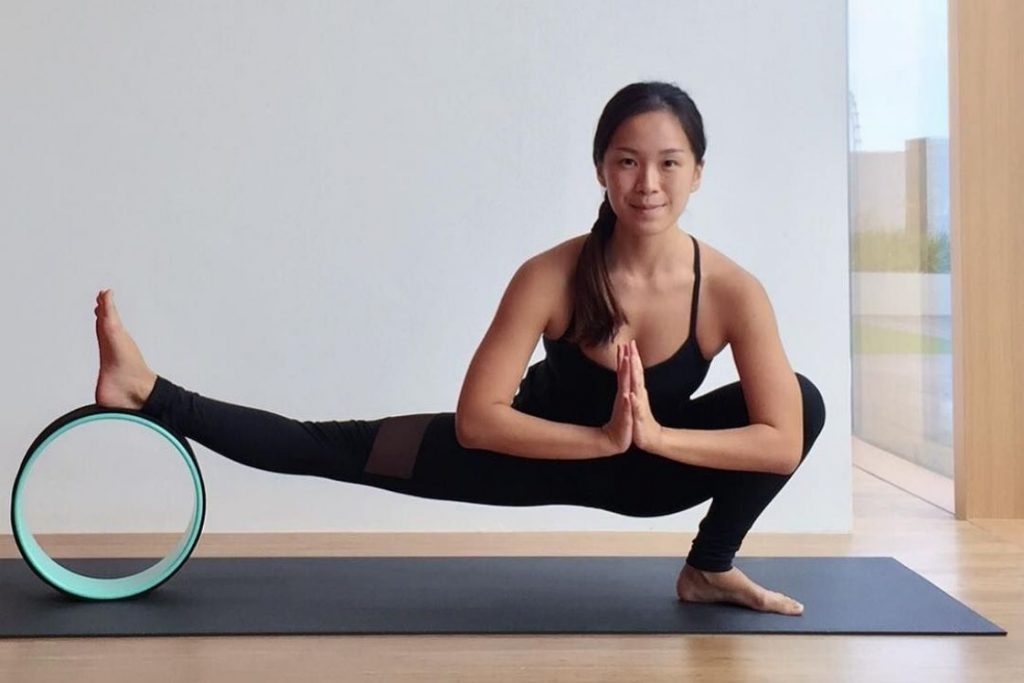
Modern fitness culture in Singapore has evolved from purely aesthetic goals to a more holistic approach that values mobility, recovery, and strength in equal measure. As people become more aware of the importance of balance between flexibility and stability, the yoga wheel has found a prominent place in diverse training environments. Once a niche prop in yoga studios, it is now being integrated into physiotherapy, rehabilitation, and athletic performance routines. Its versatility makes it suitable for everyone—from those recovering from injuries to athletes seeking improved range of motion and body control.
Understanding the Yoga Wheel’s Functional Role
The yoga wheel is not just a stretching aid. Its design, combining gentle curvature with stability, enables it to support a wide range of exercises that enhance core activation, flexibility, and balance. Whether used in recovery sessions or strength training, the wheel helps practitioners engage smaller stabilising muscles often neglected in traditional workouts.
By merging yoga principles with modern fitness techniques, the yoga wheel encourages body awareness and fluid movement, essential components of both rehabilitation and athletic progression.
Rehabilitation: Healing through Controlled Movement
During rehabilitation, movement must be deliberate, safe, and supportive. The yoga wheel offers a unique advantage because it provides assistance without reducing muscular engagement. This balance of support and challenge encourages active recovery rather than passive stretching.
Benefits for rehabilitation include:
- Promotes gentle spinal decompression.
- Encourages gradual mobility restoration.
- Improves circulation and joint lubrication.
- Enhances mind-body coordination during recovery.
For individuals recovering from back, shoulder, or hip strain, the wheel allows low-impact movements that build strength while maintaining safety.
Example recovery-focused exercises:
- Supported Back Roll: Lie on the wheel and roll gently along the spine to relieve stiffness.
- Assisted Bridge Pose: Use the wheel under the sacrum for controlled pelvic lifts to engage the glutes and core.
- Wheel-Assisted Cat-Cow: Roll forward and back while maintaining spinal alignment to improve flexibility in the thoracic region.
These simple yet effective exercises help restore natural posture and range of motion without overloading healing tissues.
Transitioning from Recovery to Strength
Once mobility returns, the next stage is rebuilding stability and strength. The yoga wheel excels in this phase because it challenges balance and coordination, which are crucial for functional recovery.
How the wheel aids strength-building:
- Activates core muscles through instability.
- Reinforces joint alignment during compound movements.
- Improves proprioception (the body’s sense of spatial awareness).
- Encourages controlled muscle engagement instead of momentum-driven exercise.
Practical strengthening routines:
- Wheel Plank Holds: Place feet or forearms on the wheel to engage the abdominals and shoulders.
- Rolling Lunges: Use the wheel under one foot for dynamic balance training.
- Hamstring Curl: Lie on your back with heels on the wheel, lifting your hips as you roll it toward and away from your glutes.
These controlled movements strengthen the body symmetrically, reducing the likelihood of future injuries.
The Wheel in Athletic Conditioning
Athletes require a mix of flexibility, power, and control. The yoga wheel bridges these aspects by supporting recovery while also improving performance metrics such as joint stability, coordination, and flexibility.
For runners:
- Releases tight hip flexors and hamstrings.
- Improves spinal alignment to reduce lower back strain.
For swimmers:
- Opens the chest and shoulders for improved stroke mechanics.
- Enhances mobility through controlled thoracic extension.
For weightlifters:
- Assists in mobility drills before heavy lifts.
- Prevents stiffness by promoting post-workout stretching.
Incorporating the wheel into dynamic warm-ups or cool-down sessions allows athletes to sustain peak performance while minimising muscle fatigue.
The Mind-Body Synergy in Functional Training
True fitness goes beyond muscle development. It includes balance, awareness, and relaxation. The yoga wheel encourages all three by integrating conscious movement with breath control. During rehabilitation, this mindfulness prevents overexertion. In performance training, it sharpens focus and enhances body awareness.
Key mind-body benefits:
- Reinforces correct breathing patterns during effort.
- Promotes calmness and focus under physical stress.
- Builds resilience by teaching control over movement and breath.
This holistic approach ensures that physical progress is sustainable and supported by mental clarity.
Restorative Use: Preventing Burnout and Overtraining
Even the most active individuals need recovery. Overtraining can lead to fatigue, decreased performance, and injuries. The yoga wheel serves as an excellent tool for restorative sessions that calm the nervous system and release tension accumulated from intense workouts.
Restorative movements:
- Heart Opener Stretch: Lie on the wheel with arms extended to release tension in the chest and shoulders.
- Supported Forward Fold: Sit with the wheel in front and roll it forward to gently lengthen the spine.
- Reclined Spinal Twist: Place the wheel under one thigh for supported rotation of the spine.
These movements reduce stress hormones, improve blood flow, and help the body recover faster.
Integrating the Wheel into a Weekly Routine
You can easily incorporate the yoga wheel into your weekly routine, whether for recovery or performance.
Sample weekly structure:
- Monday: Core and balance training with the wheel (planks, side rolls, lunges).
- Wednesday: Mobility and stretching for the spine and shoulders.
- Friday: Restorative and relaxation session after strength or cardio training.
- Sunday: Partner or guided wheel session to enhance flexibility and coordination.
Consistency ensures both recovery and performance improvement.
Many practitioners attending classes at Yoga Edition find that regular wheel-based routines complement other training methods such as Pilates, strength training, and cardiovascular workouts. The wheel’s adaptability allows seamless integration into almost any discipline.
Safety Guidelines for Rehabilitation and Performance Training
While the yoga wheel is a safe prop, awareness and control are essential to avoid overextension or strain.
Safety considerations:
- Warm up before every session.
- Maintain core engagement during rolling exercises.
- Avoid using the wheel on unstable surfaces.
- Progress slowly when recovering from injuries.
- Stop immediately if you feel pain or discomfort.
Practising mindfully ensures that the wheel becomes a supportive extension of your movement, not a risk factor.
Long-Term Benefits Across All Fitness Levels
When used consistently, the yoga wheel contributes to a well-rounded fitness profile.
Benefits include:
- Improved posture and spinal alignment.
- Enhanced flexibility in hips, shoulders, and spine.
- Stronger stabilising muscles and better balance.
- Quicker recovery after intense exercise.
- Lower risk of injuries from overuse or poor form.
These improvements support daily function as much as athletic performance, making the yoga wheel an ideal tool for long-term fitness sustainability.
The Philosophy of Balance in Modern Fitness
At its core, the yoga wheel represents balance—between effort and ease, strength and surrender. It reminds practitioners that true fitness is not about pushing limits blindly but about moving intelligently and with purpose.
Integrating the yoga wheel into a holistic fitness regime teaches adaptability. It trains the body to perform better under pressure and to recover efficiently after exertion. For individuals in Singapore’s active yet high-stress environment, this balance is invaluable.
FAQs
Q1. Is the yoga wheel suitable for people undergoing physiotherapy?
Yes. Under professional guidance, it can support gentle stretching and mobility restoration, especially for spinal or shoulder recovery.
Q2. Can athletes use the yoga wheel to enhance performance?
Absolutely. It improves flexibility, joint stability, and postural awareness, which directly enhance movement efficiency and coordination.
Q3. How often should I include yoga wheel exercises in my fitness plan?
Two to four sessions per week are ideal. Mix restorative, strength, and mobility routines for balanced results.
Q4. Can it replace traditional strength training?
No, but it complements strength training by improving flexibility, muscle balance, and core control, helping prevent injuries.
Q5. Is it useful for beginners who want to build general fitness?
Yes. Beginners can start with simple stretches and gradually move into core engagement and balance exercises.
The yoga wheel bridges the gap between rehabilitation and performance, offering a comprehensive approach to body wellness. It restores, strengthens, and refines movement while nurturing awareness and stability. Whether you are recovering from an injury or striving for peak performance, this versatile prop supports your fitness journey with balance and intelligence.
 Wellnass Health