
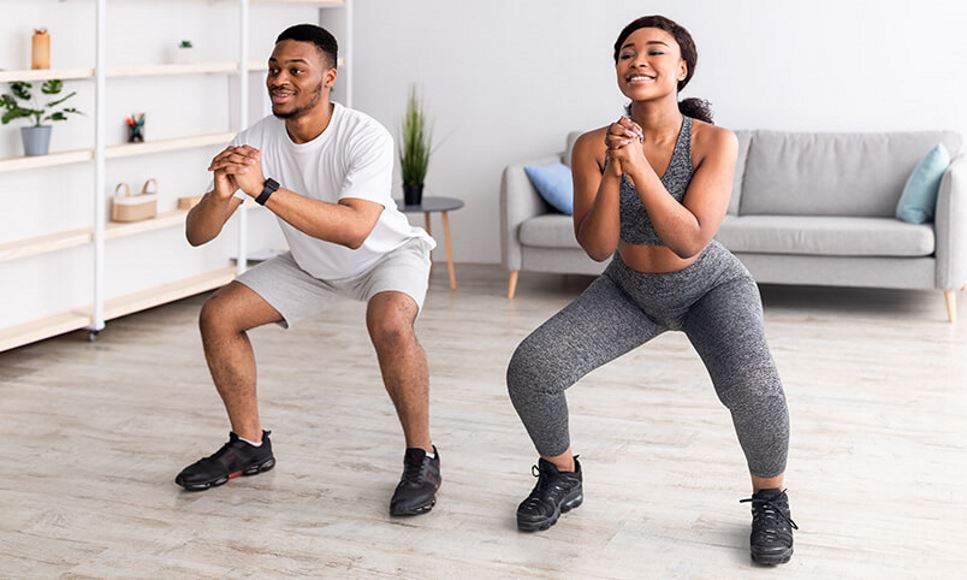
Introduction: The Art of a Balanced Life
In a fast-paced modern world where sedentary habits have become the norm, fitness and exercise are not just physical pursuits—they are vital tools for preserving mental clarity, emotional balance, and overall vitality. Fitness is no longer confined to the realm of athletes and bodybuilders; it is a universal necessity for those who seek to live not just longer, but better. Embracing exercise as a lifelong habit is a form of self-respect, a daily investment in both strength and serenity.
Understanding Fitness: More Than Just Physicality
Fitness encompasses a broad spectrum of wellness. While it includes strength, endurance, flexibility, and cardiovascular health, true fitness also involves mental resilience and emotional stability. It is a symphony of interconnected elements that, when in harmony, empower individuals to perform daily tasks with vigor, respond to challenges with grace, and maintain a sense of internal equilibrium.
A well-rounded fitness routine should ideally touch upon these key components:
-
Cardiovascular Endurance: Activities like walking, running, swimming, or cycling that enhance heart and lung capacity.
-
Muscular Strength and Endurance: Resistance training using weights, machines, or bodyweight exercises to improve muscle tone and support metabolism.
-
Flexibility: Stretching, yoga, or mobility exercises that preserve joint health and prevent injury.
-
Balance and Coordination: Often overlooked, these elements are critical for aging populations and athletes alike.
The Benefits of Regular Exercise: A Fountain of Renewal
Regular exercise is nothing short of transformative. Its benefits extend far beyond aesthetics or weight management. Here are some of the most compelling reasons to make it a daily priority:
-
Mental Clarity and Mood Enhancement: Exercise stimulates the release of endorphins and neurotransmitters such as serotonin and dopamine. These natural chemicals help combat stress, anxiety, and depression.
-
Enhanced Sleep Quality: A physically active body tends to fall asleep faster, stay asleep longer, and experience deeper stages of rest.
-
Increased Energy Levels: Consistent movement improves circulation and oxygen delivery, making individuals feel more vibrant and alert throughout the day.
-
Chronic Disease Prevention: From lowering blood pressure and cholesterol to managing blood sugar and reducing the risk of certain cancers, exercise plays a pivotal role in long-term health.
-
Longevity and Quality of Life: Those who stay active tend to live longer, with fewer health complications and a greater ability to remain independent as they age.
The Psychological Dimension: Discipline, Confidence, and Resilience
There is an elegance to the discipline that regular exercise cultivates. The act of committing to a daily workout, even when motivation wavers, builds mental toughness and fosters a mindset of perseverance. Each completed session becomes a testament to inner strength and determination. Moreover, as one’s physical abilities improve, so does confidence. This self-assuredness tends to spill into other areas of life—work, relationships, and personal growth.
Crafting a Personalized Fitness Routine
No two bodies are the same, and thus, no two fitness journeys should be identical. Crafting a fitness routine that aligns with your goals, lifestyle, and physical capabilities is essential for long-term success. Consider the following steps:
-
Assess Your Starting Point: Understand your current fitness level, any existing health conditions, and areas that need improvement.
-
Define Clear Goals: Whether it’s fat loss, muscle gain, improved endurance, or better mobility, having a goal gives purpose to your workouts.
-
Choose Activities You Enjoy: Consistency is more likely when you genuinely enjoy the process. From dancing and swimming to hiking and Pilates, variety can make fitness sustainable.
-
Schedule Workouts Like Appointments: Treat your exercise sessions as non-negotiable commitments, just like work meetings or family events.
-
Track Progress: Maintain a journal or use fitness apps to monitor your achievements and adjust your routine as needed.
Fitness Across the Ages: Adapting With Grace
Fitness is a lifelong journey, not a destination. What works for a 20-year-old may not be suitable for a 60-year-old, but movement remains essential at every stage of life. For children and teens, play-based and team sports build foundational strength and coordination. Adults benefit from more structured training, including strength and cardiovascular conditioning. Seniors, on the other hand, gain from low-impact exercises that maintain bone density, joint health, and functional independence.
Common Obstacles and How to Overcome Them
Even the most motivated individuals encounter challenges. Whether it’s a demanding work schedule, family responsibilities, or periods of low energy, obstacles are part of the journey. Here are practical strategies to overcome them:
-
Time Constraints: Opt for shorter, high-intensity workouts or integrate activity into your daily routine (e.g., walking meetings, cycling to work).
-
Lack of Motivation: Find an accountability partner, join a class, or reward yourself for milestones reached.
-
Injuries or Health Issues: Consult a professional trainer or physical therapist to create a safe and adaptive plan.
-
Plateaus in Progress: Reassess your routine, introduce new exercises, or alter your intensity to reignite results.
The Role of Nutrition and Recovery
Exercise cannot exist in isolation from nutrition and recovery. Fueling the body with whole foods—lean proteins, healthy fats, complex carbohydrates, and abundant hydration—enhances performance and recovery. Equally important is rest. Muscles need time to repair and grow, and the nervous system requires periodic breaks to function optimally. Sleep, stretching, and occasional rest days are essential components of any effective regimen.
Conclusion: A Lifestyle Worth Embracing
Fitness is not about perfection. It is about showing up, day after day, with the intention to honor your body and cultivate your health. It is an evolving relationship, one that rewards consistency far more than intensity. When approached with patience, mindfulness, and joy, fitness becomes more than a habit—it becomes a way of living with purpose, poise, and power.
 Wellnass Health