
Introduction
Nutrition is not simply the act of eating to survive—it is a daily ritual that connects culture, health, science, and personal values. In today’s fast-paced world, where convenience often trumps consciousness, the essence of proper nutrition and balanced dieting is frequently lost in the noise of diet fads, marketing gimmicks, and misinformation. However, a well-structured approach to nutrition and diet is not only essential for physical well-being but also foundational to mental clarity, emotional stability, and longevity.
Understanding Nutrition: Beyond Calories and Carbs
Nutrition is the science that interprets the interaction of nutrients in food in relation to maintenance, growth, reproduction, health, and disease. A holistic view of nutrition considers not just macronutrients—carbohydrates, proteins, and fats—but also the crucial role of micronutrients, fiber, phytonutrients, and hydration.
Key Components of a Balanced Diet
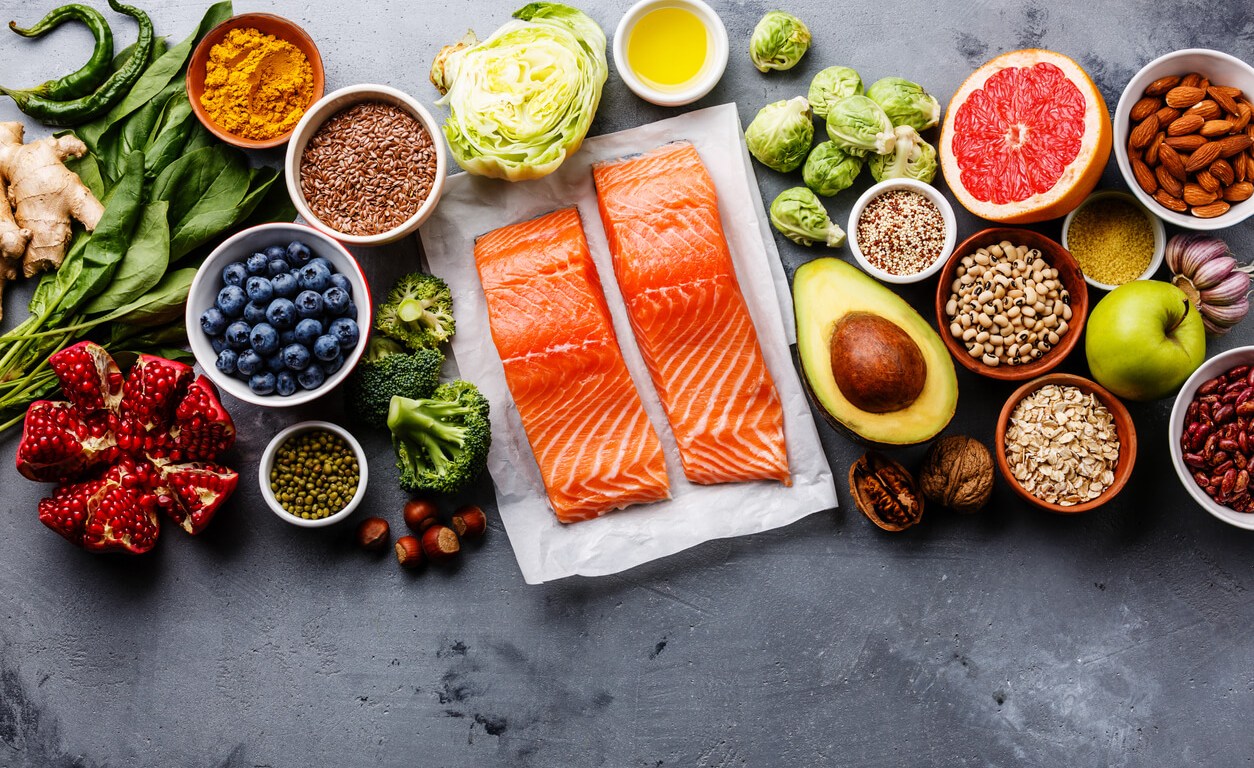
A truly balanced diet should be diverse, colorful, and rich in both macro and micronutrients. Here are the essentials:
-
Carbohydrates: The body’s primary energy source. Choose complex carbs like oats, quinoa, sweet potatoes, and legumes over refined sugars.
-
Proteins: Critical for muscle repair, immune function, and enzyme production. Sources include lean meats, eggs, dairy, tofu, lentils, and nuts.
-
Fats: Necessary for hormone production and cell structure. Opt for unsaturated fats from avocados, olive oil, nuts, and seeds.
-
Vitamins and Minerals: Support nearly every bodily function. A colorful variety of fruits and vegetables ensures coverage.
-
Fiber: Aids digestion, supports gut health, and helps regulate blood sugar.
-
Water: Often overlooked, but vital. Proper hydration enhances metabolism, detoxification, and brain function.
The Psychology of Eating: Food as Emotion and Identity
Food is deeply emotional. From childhood comfort foods to celebratory meals, what we eat often mirrors our psychological state. Emotional eating, stress-induced cravings, or cultural conditioning can steer us away from balanced diets, even when we know better.
Awareness is key. Intuitive eating—a practice that encourages listening to hunger cues, eating without guilt, and appreciating food’s flavors and textures—helps reconnect individuals with their body’s nutritional needs, removing the punitive elements of restrictive diets.
Myth-Busting Popular Diet Trends
From keto to paleo, intermittent fasting to juice cleanses, the modern diet landscape is a maze. While some of these regimes offer short-term benefits or address specific needs, they are not universal solutions.
-
Low-carb or Ketogenic Diets: Effective for some in weight loss and insulin sensitivity, but often unsustainable and can lack essential fiber and micronutrients.
-
Intermittent Fasting: Promising for metabolic health, but timing should complement individual lifestyles rather than disrupt them.
-
Detox Diets: The liver and kidneys are natural detoxifiers; most commercial detoxes lack scientific backing and can be nutritionally void.
-
Plant-based Diets: When well-planned, offer extensive health benefits. However, nutritional gaps (e.g., B12, iron) should be consciously addressed.
Personalization: The Cornerstone of Dietary Success
No single diet fits all. Genetics, age, lifestyle, cultural background, medical history, and even gut microbiome composition influence how individuals respond to different diets. Personalized nutrition—guided by scientific testing, nutritional counseling, and self-reflection—ensures a more effective and sustainable approach to health.
Strategies for Building a Healthier Diet
Adopting a nutritious diet doesn’t require radical changes overnight. Small, consistent shifts often yield the most lasting benefits.
-
Start with whole foods: Reduce dependence on processed items and prioritize foods in their natural form.
-
Practice mindful eating: Eat slowly, savor every bite, and recognize satiety signals.
-
Balance your plate: Visualize half your plate with vegetables, a quarter with lean protein, and the remaining quarter with whole grains.
-
Stay hydrated: Replace sugary drinks with water, herbal teas, or infused waters.
-
Plan and prepare: Meal prepping reduces impulsive choices and encourages healthier habits.
-
Read labels: Be wary of added sugars, sodium, and artificial additives in packaged foods.
-
Limit food rules: Avoid rigid restrictions that can lead to guilt or bingeing.
The Role of Gut Health in Nutrition
Emerging science highlights the gut microbiome’s crucial role in digestion, immunity, and even mood regulation. A diet rich in prebiotic (garlic, onions, bananas) and probiotic (yogurt, kimchi, kefir) foods can nourish this internal ecosystem. The gut-brain axis—the biochemical signaling between the gastrointestinal tract and the brain—further affirms that what we eat directly influences how we think and feel.
Cultural and Social Influences on Diet
Modern nutrition must also honor heritage and community. Traditional diets, such as the Mediterranean or Japanese Okinawan diets, emphasize shared meals, plant-based ingredients, and portion moderation—principles that align with both longevity and enjoyment.
Moreover, socioeconomic factors often shape access to fresh produce, dietary knowledge, and time to cook. Addressing these disparities is essential for creating inclusive nutritional solutions.
Nutrition in the Digital Age
While digital apps, trackers, and social platforms have empowered individuals to take charge of their diet, they have also contributed to an overwhelming influx of information—much of it contradictory. It is vital to critically assess sources, seek guidance from qualified professionals, and stay attuned to personal experience rather than digital dogma.
Conclusion: Nourishment as a Daily Act of Self-Respect
True nutrition transcends diet charts and calorie counts. It is the quiet discipline of choosing what serves your body’s needs, what honors your mental space, and what aligns with your values. In a culture that often glorifies extremes, the real sophistication lies in balance, intention, and consistency.
 Wellnass Health